Emergency Water Damage Restoration in Arcadia, CA: Stop the Source First
Burst pipe, leak or backup? Shut off the water, then call the water damage line to start removing water and drying the building.
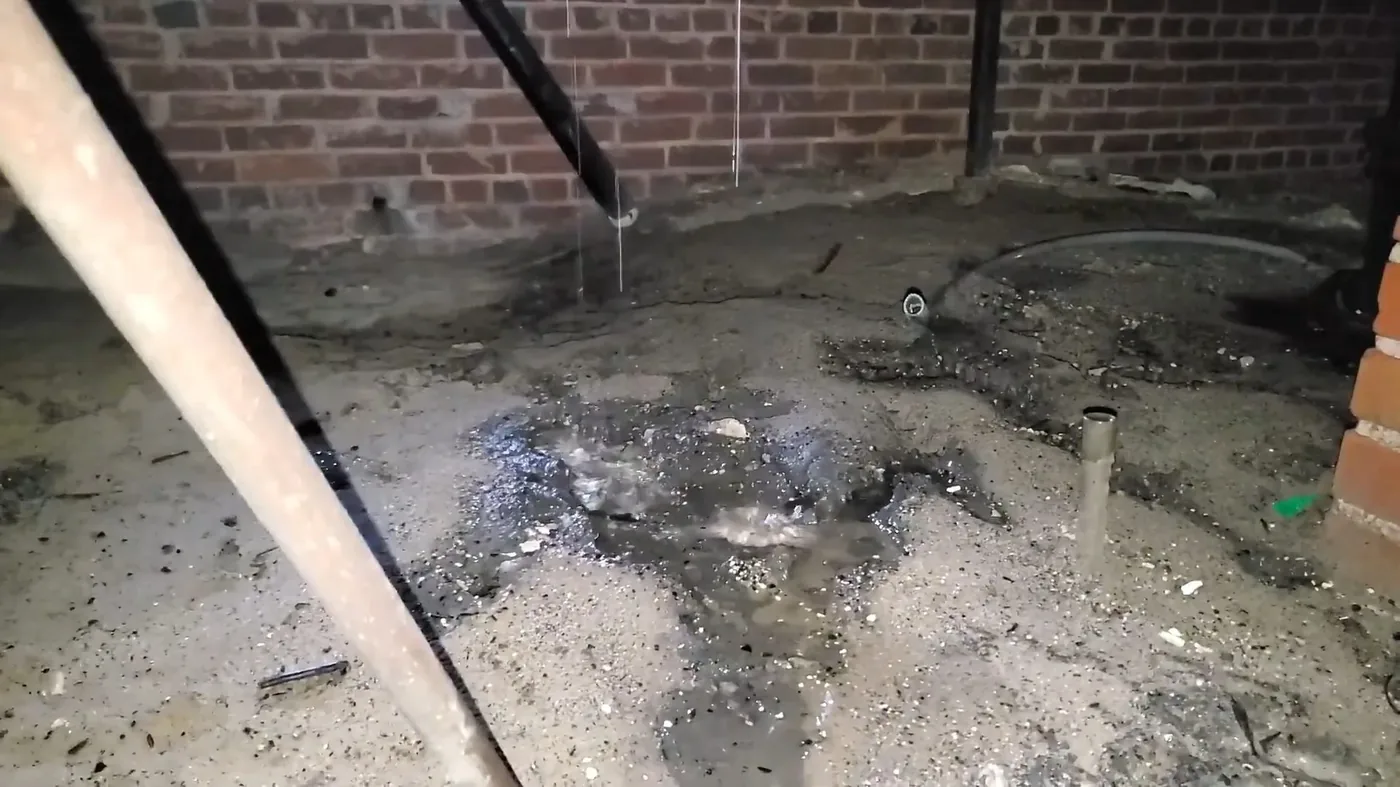
Water damage restoration is the work of removing water from a building, drying what can be dried, cleaning what cannot and finding the source so the damage does not return. It is for anyone whose home or business has taken on water from a burst pipe, a leaking appliance, a roof or ceiling leak, a backed-up drain or a flood. The sooner it starts, the less of the building has to be torn out.
Water damage calls on this page go to a dedicated water damage line, (888) 681-3447, separate from our main plumbing number. If the cause is still active, such as a pipe that is still spraying, shut off the water at the main valve first. The sections below cover each type of loss, then the steps of a typical job.
Caution: if water has reached outlets, a panel or wiring, stay out of the wet area. Cut the power at the breaker only from a dry spot, and when in doubt, leave the room and call.
Dry water-damaged materials within 24 to 48 hours. This guidance applies to clean water; sewage and other contaminated water call for protective gear.
Arcadia water removal: getting standing water out first
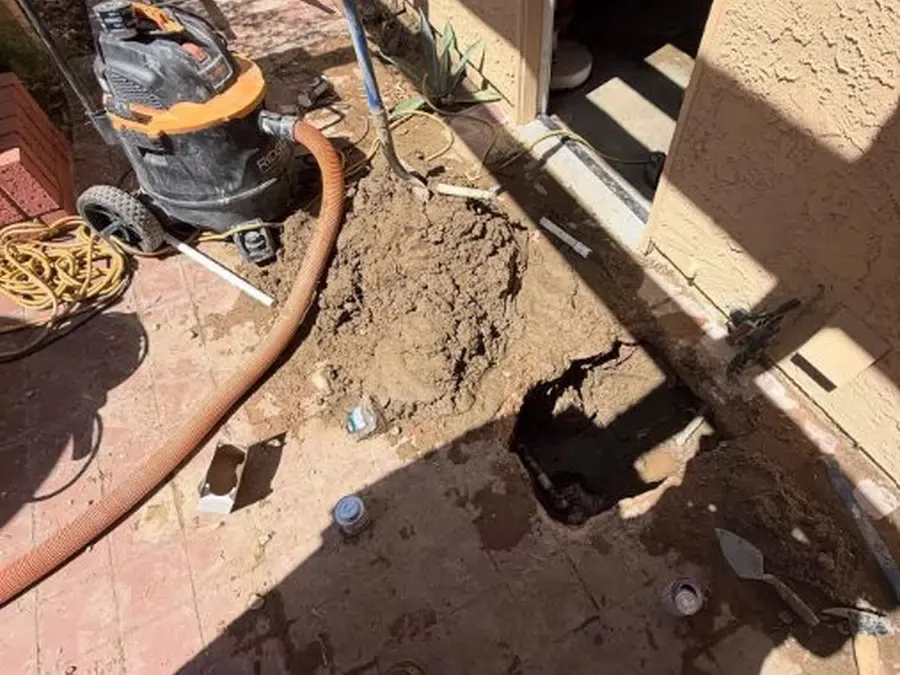
Water mitigation, meaning the steps that stop further damage, begins with extraction, the first physical step, because standing water keeps soaking into floors, walls and furniture the longer it sits. The crew uses pumps for deep water and wet vacuums for shallower layers, working from the lowest point outward. In a bathroom or kitchen, the job is usually quick. In a flooded room, it is the longest stage before drying can begin.
Carpet and the pad beneath it hold a surprising amount of water, and removal of the pad is often the first decision. Clean-water spills can sometimes be saved if they are caught in time. Furniture and belongings are lifted off wet floors, and anything that cannot be dried is set aside for you to review before it is thrown out. Ask for photographs of what is removed, since your insurer may want them.
Wet walls, stained ceilings or warped floors: how a damage assessment works
A water damage assessment finds how far the water traveled before anyone starts drying. The crew uses a moisture meter to read walls, floors and ceilings, and an infrared camera to spot cool, wet areas behind surfaces. Water moves along studs and under flooring, so a stain on a ceiling can sit well away from the leak above it. The map of wet areas decides where equipment goes.
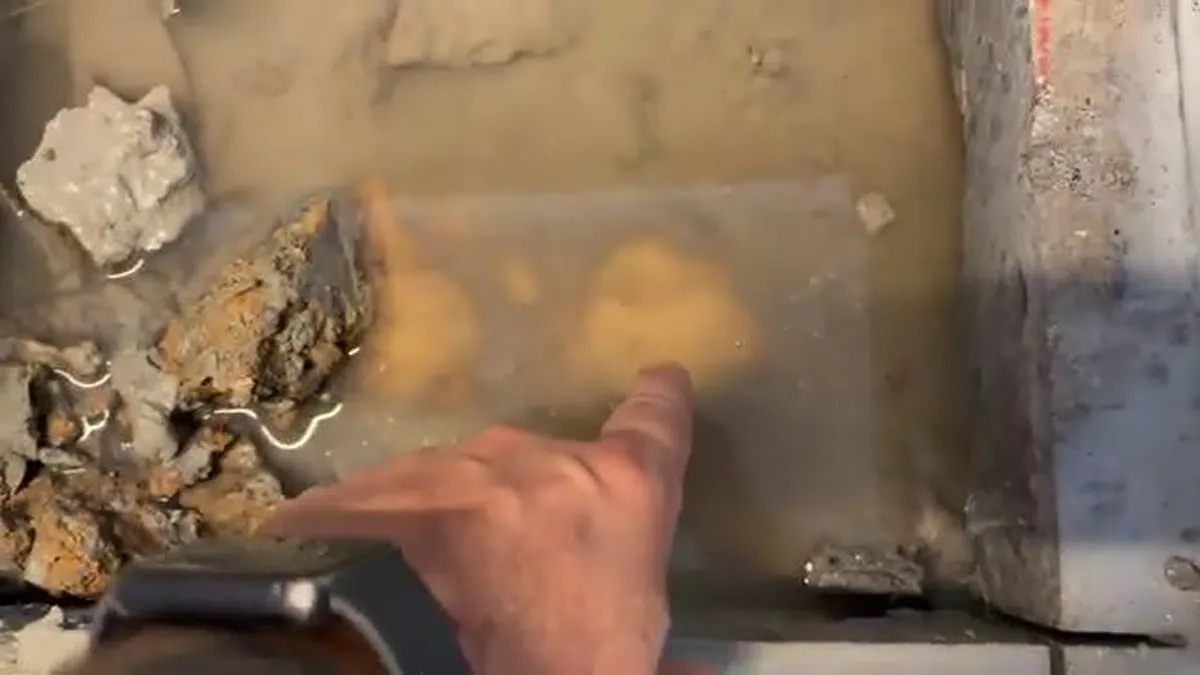
The assessment also sorts the water into types, from clean supply water to gray water from appliances to black water from sewage or floods. The type decides what can be saved and what protective gear is needed. For a larger loss, such as a vacant house or a long-running leak, a major loss inspection documents the extent in writing, which helps with a claim. Ask for the moisture readings and the sketch.
Water in the house right now? Call the water damage line and describe what happened.
Call (888) 681-3447Mold remediation after water damage: removal and a dry building
Mold can begin to grow when materials stay damp, and that is why the drying window matters. The mold remediation process runs in order: contain the area, remove contaminated material, clean what can be cleaned and dry the structure. Mold remediation is the removal of contaminated material, cleaning of what can be cleaned and correction of the moisture that allowed it to grow. Cleaning mold off a surface without fixing the water source only buys time. The crew isolates the area, removes affected drywall or insulation and uses air filtration while it works.
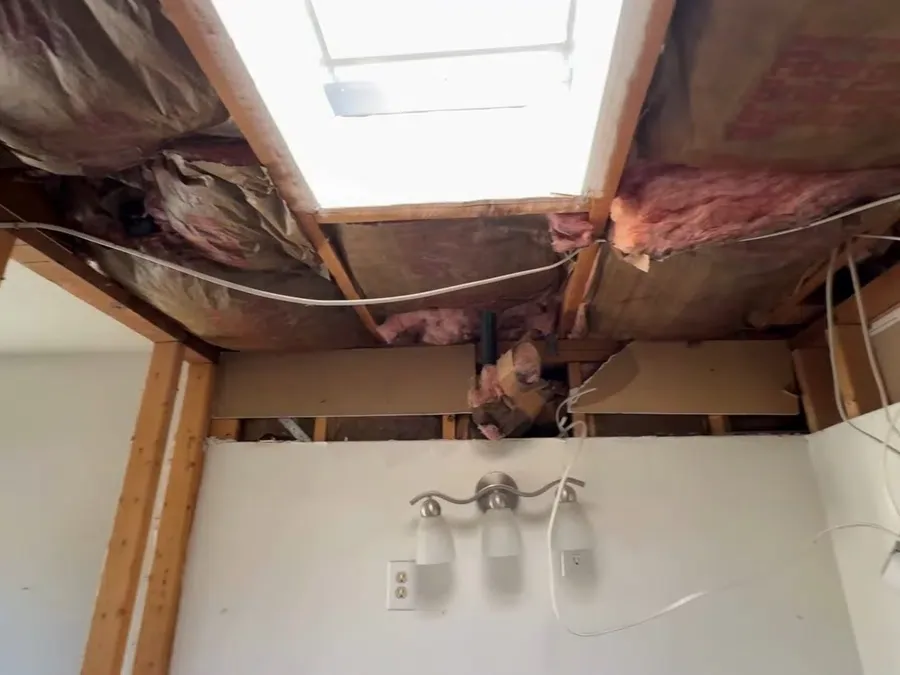
The benefits of proper mold remediation are a building that stays dry and surfaces that are not left to spread spores. Ceiling and basement mold, closets with AC condensation leaks and walls next to a bathroom are the common cases. Persistent leaks make it worse, since each wetting restarts the growth. A reliable contractor explains the scope, shows you the affected area and tells you how success is measured.
Sewage backup cleanup: why it needs protective gear
A sewage backup is a different category from clean water. It carries bacteria and should be handled with gloves, boots and eye and respiratory protection, as the County bulletin on water intrusion notes. Do not wade through it, and keep children and pets out. Porous materials that sewage has touched, such as carpet, pad and drywall, are usually removed and not dried in place.
The cleanup has two parts: the plumbing cause and the contamination. A plumber clears or repairs the line, which the sewer camera inspection and drain clearing pages describe. The crew then removes the affected material, cleans and disinfects surfaces and dries the area. The City maintains the local sewers, so a backup that starts in the street may involve the City’s Public Works department.
Water damage from pipe bursts and plumbing leaks
Pipe bursts and leaks are the most common causes, and they are the ones a plumber can stop. A broken supply line, a failed washer hose, a leaking water heater and a cracked fitting under a sink all release clean water, which is the easiest type to dry if the response is fast. Mitigation coordination means the plumber repairs the cause while the crew dries, so the whole-house repiping, tank heater repair and leak detection services pages are the companions to this one.
A hidden leak is slower and often worse. Water inside a wall or beneath a slab can run for weeks before a stain appears, so the damage covers a larger area when it is found.
Frequent small leaks cause the same trouble, through repeated wetting. A slab leak repair can soak flooring from below, and a main line break outside the house can flood a yard; the water main and yard line covers that. Leaks from non-plumbing sources, including a roof, an air conditioner drain line or an irrigation system, are dried the same way once the source is stopped.
Mold testing and inspection: what it tells you
Mold testing, sometimes called an assessment, is a way to learn whether mold is present, how widespread it is and what type. A visual inspection looks at the walls, the ceiling and the areas around leaks. Air or surface samples can add information, but a result alone does not say how to proceed, and a musty odor with a past leak is often enough reason for an inspection.
Ask what the inspection will cover, who does the sampling and whether the same company will do the cleanup. An assessment done by a party who does not profit from the cleanup is easier to trust. Condo associations and landlords often require written findings, so ask for a report you can share. Questions about salvaging materials are best answered by someone who has seen the area.
Odors, smoke and firefighting water: cleaning what the water left behind
Water damage often brings odors with it. A musty smell points to damp materials or mold, a sour smell to standing water, and a sharp smell to contamination. Odors that last after the water is gone mean something is still wet or that porous materials need replacing. Deodorizing without finding the source covers the problem briefly and does not solve it.
Fire and smoke are a related case. After a fire, firefighting water soaks the structure, and soot and smoke residue add a second kind of damage. The crew dries the building and cleans surfaces, and smoke odor may need special treatment of the air and the materials. For larger losses, an insurance adjuster usually has to approve the scope, so keep your claim contact informed.
What happens on a water damage job, step by step
- Stop the source. Shut off the water at the main, or have a plumber repair the break.
- Extract. Pumps and vacuums remove standing water.
- Assess. Moisture meters and an infrared camera map the wet areas.
- Dry. Air movers and dehumidifiers run for days, with readings taken to confirm that materials reach their dry targets.
- Clean and sanitize. Surfaces are cleaned, and contaminated material is removed.
- Check for mold. Materials that stayed damp are inspected before closing walls.
Drying equipment is the heart of the work. Air movers push dry air across surfaces, and dehumidifiers pull moisture out of the air so the water in the materials keeps moving out. Equipment counts and placement follow the moisture readings, and the crew checks them each day. Ask for the readings, since they show whether the job is done or only looks dry.
Insurance claims run alongside the work. Photograph the damage before anything is moved, keep receipts and the moisture log and tell your insurer promptly. Water damage insurance claim help is limited to documenting the loss and giving you the records; coverage decisions come from your insurer. Condo, apartment and commercial properties follow the same steps, and larger commercial plumbing needs are on the commercial plumber.
Flooring and carpet damage is handled at the end, after drying is complete. Hardwood that has cupped may flatten as it dries, and laminate usually does not. Carpet that stayed wet for days is usually replaced.
Flooded basement, crawl space or whole-house flooding
Flooding that comes from outside, whether from storm runoff, a high water table or a failed pipe, collects in the lowest part of a house. A flooded basement or crawl space needs pumping, then drying of the structure and an inspection of what the water reached. Rain and river flooding bring mud and contaminants, so the water is treated as contaminated unless a test says otherwise.
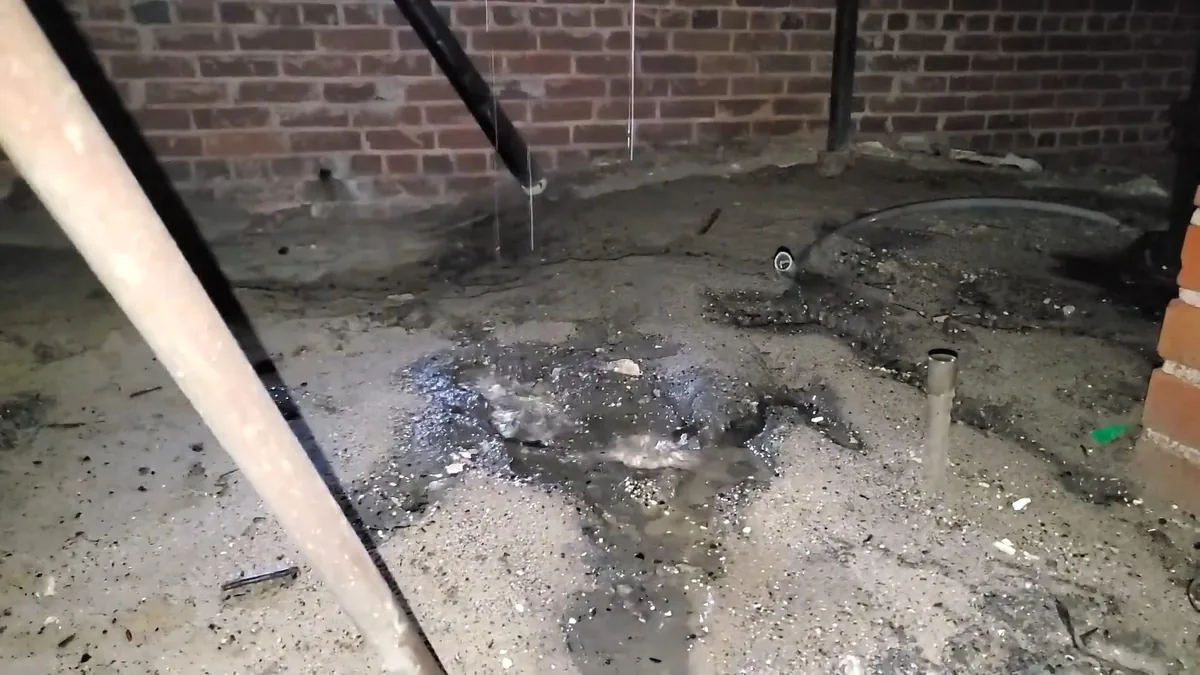
A plumber for basement flooding looks for the plumbing cause, such as a failed sump pump, a backed-up drain or a broken main. The hydro jetting and snaking page explains how sump and ejector pits work. Basement waterproofing and a foundation inspection are separate jobs after the water is out, and a restoration crew can tell you whether to call a specialist.
No source in our research names a typical foundation type for Arcadia, so ask the crew what they see in your structure and how the water reached it. Storm water damage is handled the same way as other floods: remove the water, dry quickly and check for hidden wet material. Flood coverage differs from ordinary homeowner coverage, so ask your insurer what applies.
Night and weekend availability is described on the emergency call handling, though water damage calls use the line shown here.
Questions about water damage restoration in Arcadia
How quickly does drying need to start after water damage?
As soon as the water source is stopped. A Los Angeles County risk management bulletin names 24 to 48 hours as the window for drying wet materials, for clean water. After that, the chance of mold and of having to remove materials rises. Call the water damage line as soon as you find the problem.
Will insurance pay for water damage restoration?
It depends on the policy and the cause. Sudden events such as a burst pipe are often covered, while long-running leaks and floods may not be. Photograph everything before it is moved, keep receipts and tell your insurer promptly. We can give you the records of what was found and done, but the coverage decision is the insurer’s.
Can mold grow after water damage, and how do I know?
Yes, if materials stay damp, and a musty smell or visible spots are the usual signs. Mold needs moisture, so fast drying is the best prevention. If you suspect mold, a visual inspection or testing can show its extent, and remediation removes affected material and fixes the moisture source.
What should I do after a sewage backup?
Stay out of the water, keep children and pets away, and avoid skin contact. Protective gear such as gloves and boots is recommended for contaminated water. Call a plumber to clear or repair the line, and call the water damage line to remove contaminated material and clean the area.
Can I stay in the house during water damage restoration?
Often yes for clean-water losses in part of the house, though drying equipment is loud and runs day and night. For sewage, mold or a flooded home, the crew may advise staying elsewhere. Ask what applies to your loss, and keep children, pets and anyone with breathing problems away from affected rooms.