Emergency Gas Line Repair in Arcadia, CA: Leave First, Then Call
Smell gas? Leave the house and call SoCalGas first. When it is safe, call us, and a plumber tests the piping and repairs the leak.
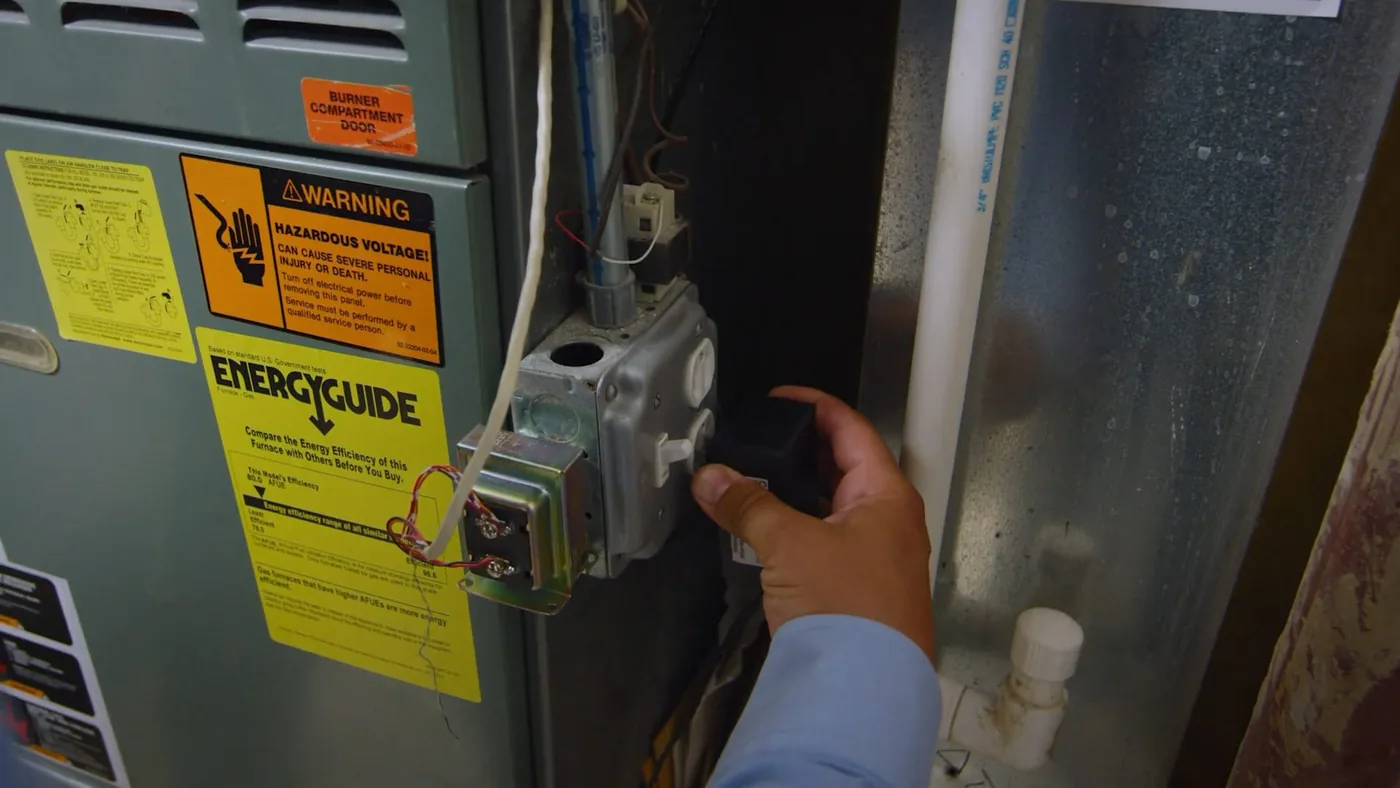
The first sign of a gas problem is usually the smell: a rotten-egg odor near a range, a water heater closet or the meter. Sometimes it is a hiss at a fitting, a pilot light that will not stay lit or a flame that burns yellow. Utility gas is odorized so that leaks can be noticed, and any of these signs means treating the house as unsafe until someone has checked it.
The steps for a smell are the same every time. Get everyone out, call the gas utility or 911 from outside, and do not go back in to find the source. A plumber comes after, once the utility has made the area safe, to find and repair the leak in the house piping. The sections below explain how that repair and a new gas line installation are done.
Emergency gas line repair: how a plumber finds and fixes a leak
Gas line repair starts with the line, not the appliance. The plumber shuts off the gas at the appliance valve or the meter, then tests the piping with a pressure gauge to see whether it holds. A drop in pressure confirms a leak. A leak detector or a soap solution on the joints then points to where gas is escaping, and the plumber checks fittings at the meter, the appliances and any joints in walls or crawl spaces.
Repair depends on the cause. A loose fitting at an appliance connection may need only tightening or a new flex connector. A corroded section of pipe, a cracked fitting or a damaged line needs cutting out and replacing, and the repaired run is pressure tested again before the gas is turned back on. Ask the plumber to show you the test result and what the gauge read.
Gas leak detection and repair also means looking at what the leak may have touched. A line that is corroded in one place may be corroded elsewhere, and a leak near a water heater or furnace can mean a venting problem as well. The plumber should check the appliances on the line for correct combustion and flue draft before leaving.
House age shapes the approach. Census figures put the typical Arcadia home at 1965, and most units predate 1980. Nothing local says what the gas piping in those homes is made of, so ask the plumber to name your pipe and describe its condition.
Gas line installation: new appliances, new runs and the permit question
Gas line installation extends or adds a line to serve a range, a dryer, a fireplace, a grill, a generator or a water heater. The plumber measures the pipe run starting at the meter, adds up the load of everything on the line and sizes the pipe so every appliance gets enough gas at full demand. An undersized line causes a flame that sputters or a unit that shuts off when others run.
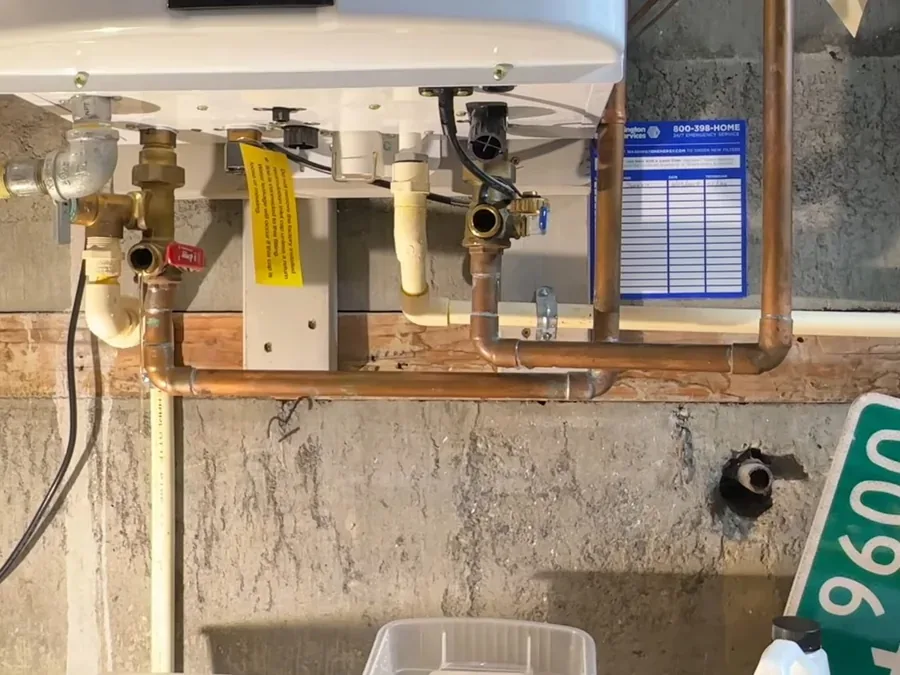
Moving an existing line is common in kitchen and laundry remodels. The plumber shuts off the gas, caps or removes the old run, and installs the new one with the right fittings and shutoff valves, then tests it. Ask about a shutoff valve at each appliance, since one makes service and emergencies far easier.
Gas appliance acting up, or planning a new gas line? Call once the area is safe.
Call (626) 687-0217Whether a permit is needed depends on the work. Arcadia’s Building Services office handles plumbing permits at (626) 574-5416. No published rule for gas lines turned up, so ask them before work begins and settle who pulls the permit. Moving a gas line is the kind of change where an inspection is worth having on record.
Propane is an option where natural gas is not available, but it uses different regulators and pipe sizing. Tell the plumber which fuel you have. A water heater replacement and a conversion to tankless water heater both depend on the line being sized for the load.
Gas leaks, and what black iron and flexible connectors mean
A gas leak is not always a pipe failure. A flexible appliance connector that has aged, a valve that no longer seals or a fitting disturbed during a remodel is a common source. The plumber checks each one with a leak detector. Unlike a water leak, a small gas leak gives no stain and no drip, which is why testing is the only reliable way to be sure.
Black iron pipe is steel threaded together, and it is a standard material for gas piping in houses. CSST, short for corrugated stainless steel tubing, is a flexible option that installs faster in tight spaces. Each has rules about bonding and protection, and a replacement or extension should follow the pipe type in the house. A plumber can explain why one suits your layout.
When a section of gas pipe is replaced, the plumber should purge the line of air before relighting the appliances, relight pilot lights where there are any and check each flame. A gas inspection or pressure test is also useful when you buy a home, before a remodel or after an earthquake, and you can ask for one without a known leak.
Appliance hookups round out the work: a range, a dryer, a fireplace log set, an outdoor grill or a generator each needs the right connector and a shutoff within reach. The plumber confirms the connection is sealed and tests it with a leak detector. The homepage explains how same-day and night calls about a gas problem work: how urgent calls work.
Questions about gas line repair in Arcadia
Do I need a permit to move a gas line?
It depends on the work, and the City of Arcadia has not published a rule for gas lines that we found. Phone Building Services at (626) 574-5416 first, and ask the plumber who will pull the permit and schedule an inspection. Moving a line is the kind of work where an inspection on record is worth having.
What should I do if I smell gas outside my house?
Move away from the area, do not light anything or use switches, the next call goes to SoCalGas at 1-800-427-2200, or to 911 once you are a safe distance away. Gas that smells outdoors near the meter can still enter the house. Once the utility has made it safe, a plumber can check the piping on the house side.
What does a gas line inspection or pressure test involve?
The plumber closes the gas at the meter, connects a gauge to the piping and watches whether the pressure holds. A leak detector or soap solution then checks the joints. The test is useful before a remodel, when buying a home or after an earthquake. Ask for the gauge reading in writing.
Who installs gas lines?
A licensed plumbing contractor, which in California usually means the state C-36 classification. When the dispatch line answers, a plumber is sent for your address, and license details are available if you ask. The job covers sizing, pressure testing and, where it applies, a permit.