Plumber for Blocked Drains in Arcadia, CA: Match the Fix to the Clog
A slow sink, a gurgling tub or water rising in a floor drain? Call, and a plumber finds where the blockage sits before choosing a tool.
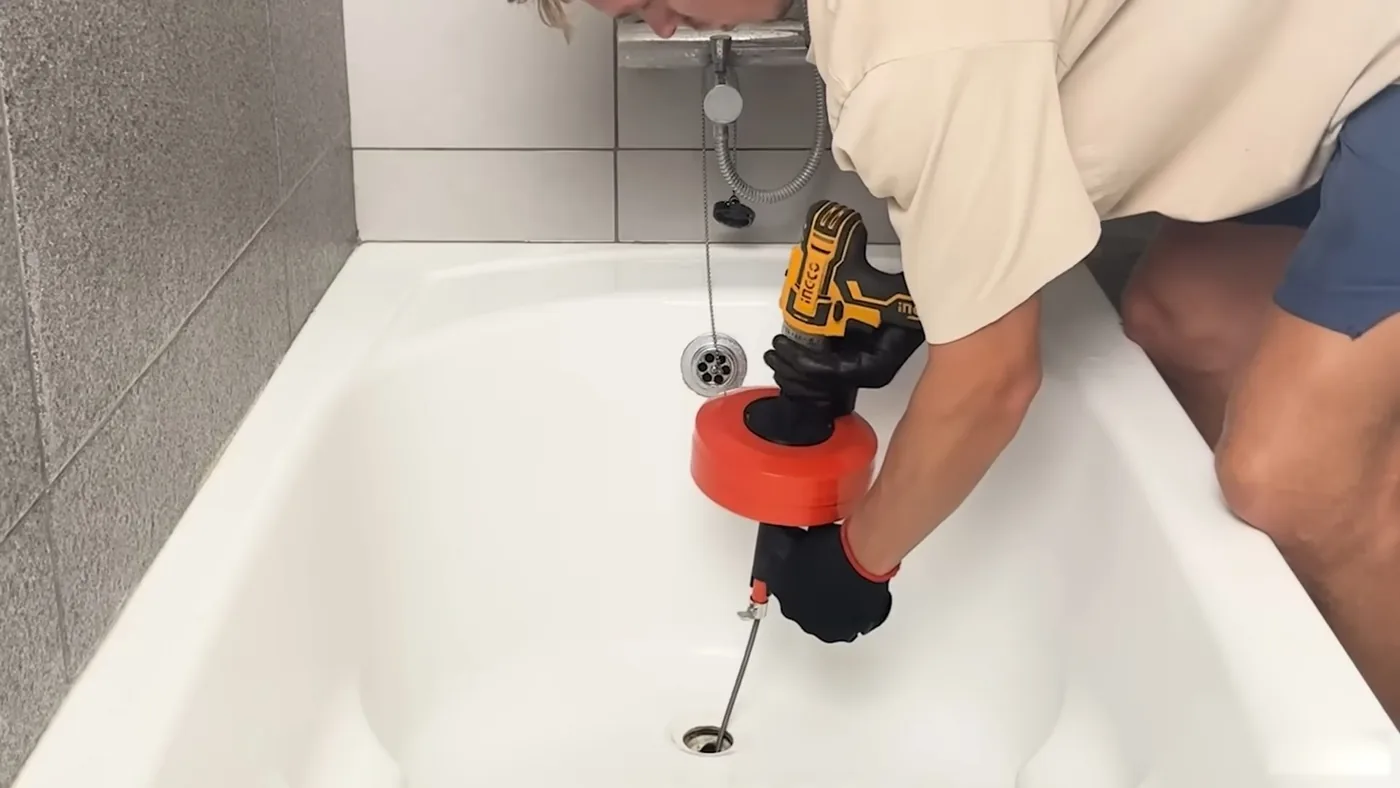
The first sign is usually small: a bathroom sink that takes a minute to empty, a shower that leaves your ankles in gray water, a kitchen drain that gurgles when the dishwasher runs. A single slow fixture is annoying. Two or three slowing at once is a different problem, because it usually means the blockage sits on a line they all share.
That difference drives the whole job. A plumber who asks which fixtures are affected, how long it has been happening and whether anything has changed in the house can narrow the cause before touching a tool. The sections below explain drain cleaning and unclogging methods, how to match them to the symptom, how blockage removal differs from repair, and when a clog is really a sign that the pipe itself needs attention. The same dispatch line covers every town on our service area list.
Hydro jetting services in Arcadia: when water pressure does the cleaning
Hydro jetting, also written hydrojet drain cleaning, sends high-pressure water through a hose with a nozzle that fires jets backward and forward inside the pipe. The water strips grease, soap scum and scale from the pipe walls instead of poking a hole through the blockage, which is why it is chosen when a line clogs again and again. A cable can open a channel in a clog and leave the coating behind; jetting is meant to clear the coating too.
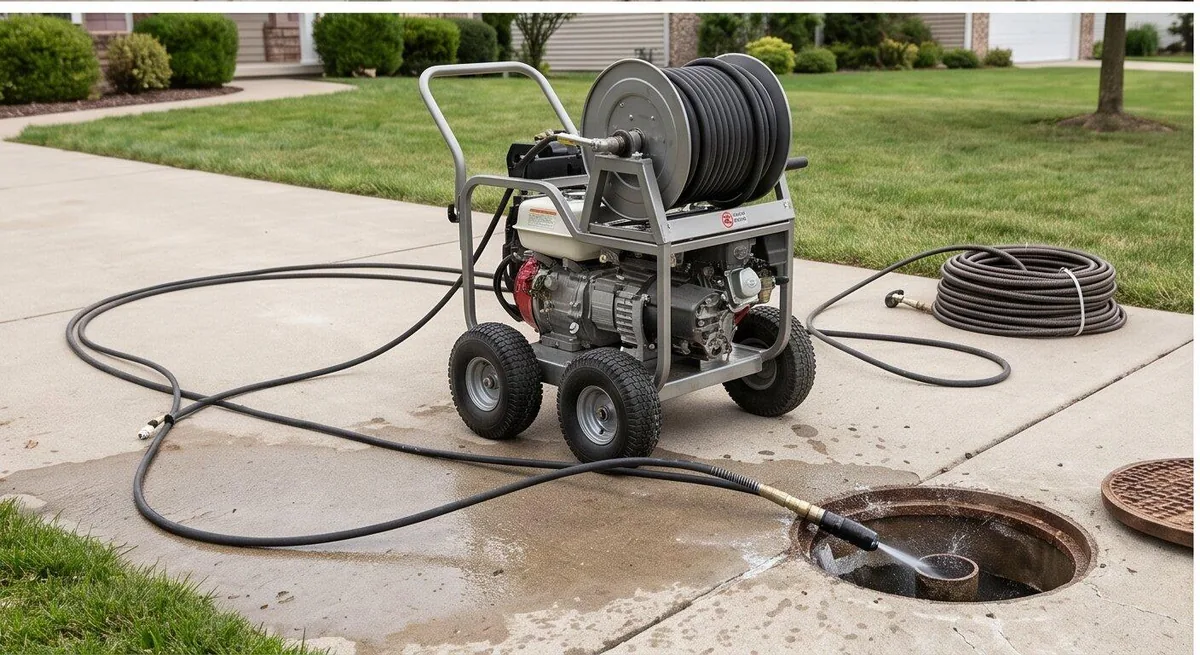
Not every pipe can take it. A cracked, collapsed or badly corroded line can be damaged by pressure, so ask for a camera inspection first. Ask the plumber what the camera showed, whether the line can take jetting, and what the water pressure will be. Jetting also does not fix a pipe that has sagged and holds water, which is a repair question, not a cleaning one.
Drain cleaning in Arcadia: matching the method to the blockage
Most residential clogs fall into a few kinds, and each has a method that fits it. The table gives the usual match so you can follow the plumber’s reasoning and ask the right question when the proposed method does not fit the symptom.
| Blockage | Usual method | Why it fits |
|---|---|---|
| Hair and soap in a tub or shower | Hand tool or small cable | The clog is close to the fixture and soft |
| Grease in a kitchen line | Cable, then jetting if it returns | Grease coats the pipe and a cable alone leaves it behind |
| Toilet blockage past the trap | Closet auger, then cable | The trap is narrow and needs a tool made for it |
| Roots or debris in the main line | Cutting head or jetting, then a camera | The cause needs to be seen, not guessed |
| Repeated clogs in the same place | Camera inspection | A recurring clog is often a damaged or sagging pipe |
Several drains slow at once, or water is backing up? Call and say which fixtures are affected.
Call (626) 687-0217What does snaking or rooter service do to a clog?
Snaking, also called cabling or rooter service, pushes a flexible steel cable with a cutting or hooking end into the drain. The cable breaks up the clog or pulls it out. It works well on a blockage close to a fixture, and it is the fastest option for a single sink or tub that will not drain.
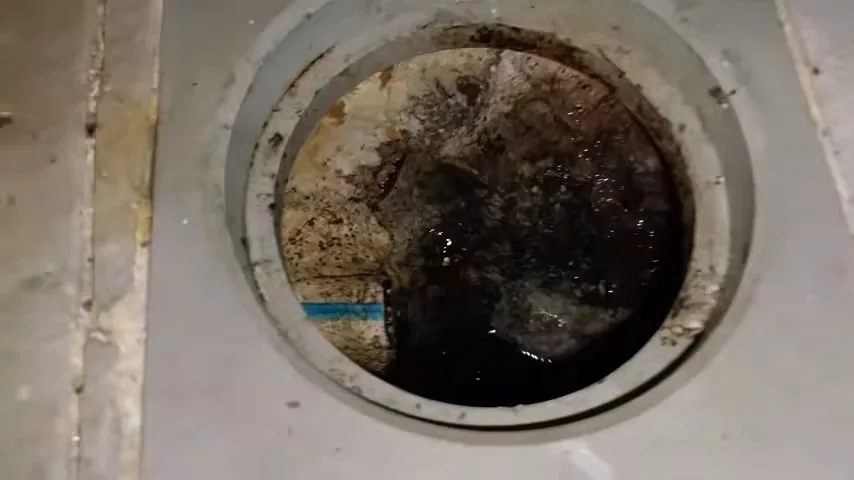
The limits matter. A cable opens a hole through a clog, which can restore flow for a few weeks while the coating on the pipe wall stays in place. If the same drain slows again soon after, ask for a camera look instead of a second cabling.
Two questions are worth asking before the cable goes in: which access point will it enter through, and what will the plumber do if the cable meets resistance it cannot pass. A cable that stops at the same spot twice usually means a solid obstruction or a broken pipe, and that is the moment to switch from cutting to looking.
Clogged drain, slow drain or full backup: which one do you have?
- Slow drain: water leaves, but slowly. Usually partial blockage near the fixture.
- Clogged drain: water stands. Often a full blockage at the trap or branch line.
- Backup: water or waste rises in a different fixture, such as a floor drain or tub, when you use another one. This points to the main line.
- Gurgling: air moving through a partly blocked line, or a vent problem.
Tell the dispatcher which of the four you have. A backup in a fixture you did not use is the one that cannot wait, because the water coming up may be sewage and the line may be full.
Main line clogs
The main line carries everything from the house to the street, so a blockage there shows up in the lowest fixture first, often a floor drain or the shower. According to the General Plan EIR, local sewers are the City's to maintain, while regional trunk lines belong to the Sanitation Districts of Los Angeles County.
Which stretch between the house and the street main belongs to the homeowner is a question for the City, so before any digging or sewer repair ring Public Works Services first. If a main line problem turns out to be damage, not a clog, the sewer line problems covers repair and replacement.
Yard drains, French drains and storm drainage
Outdoor drains clog with leaves, silt and roots instead of grease. A French drain or yard drain that backs up after rain is a drainage problem on the property, and the fix depends on where the water is meant to go. The General Plan EIR describes alluvial fan and basin deposits under most of the city, with low shrink-swell potential, which is general context rather than a cause of any one clog. Ask the plumber where the drain discharges and whether the outlet itself is blocked.
Sump pumps and ejector pits: the drain that lifts instead of falls
Most drains in a house run downhill by gravity, but a fixture below the level of the sewer line, such as a basement bathroom, may drain into a pit with an ejector pump that lifts waste up to the line. A sump pump is a different device: it moves groundwater or stormwater out of a pit so it does not flood a lower level. Both depend on a float switch and a check valve, and both fail in similar ways: the float sticks, the motor burns out or the discharge line clogs.
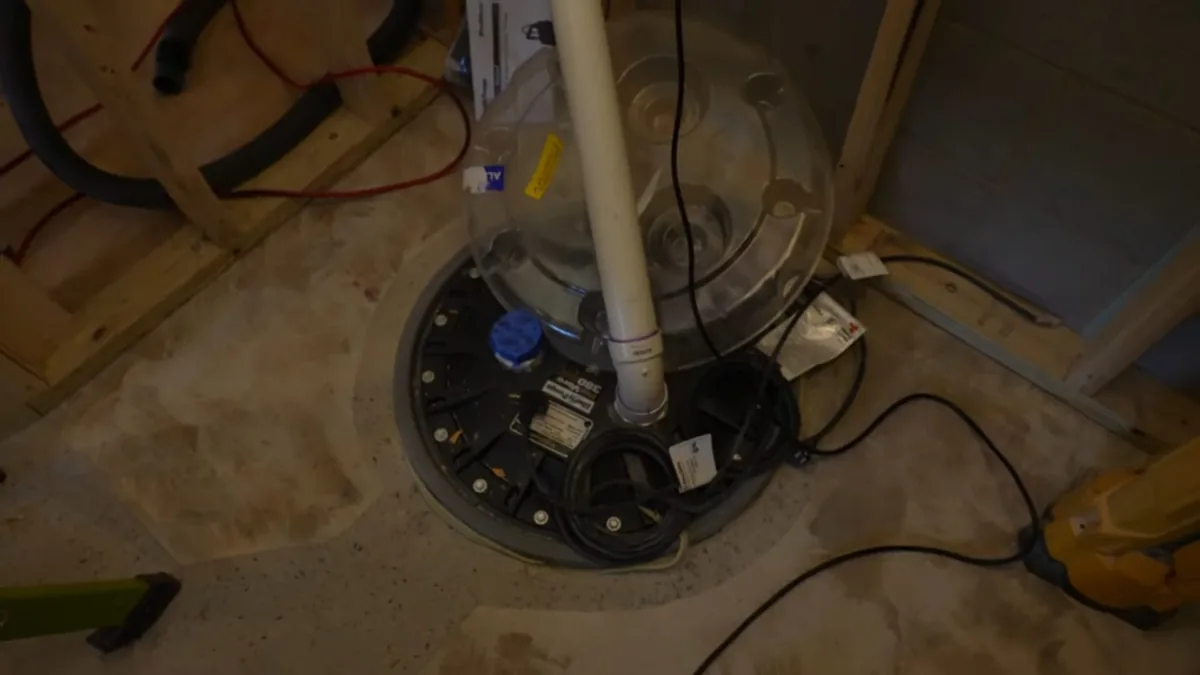
The General Plan EIR says groundwater lies deeper than 100 feet in most of Arcadia, with shallower water south of Live Oak Avenue and near the canyon washes, so ask whether a pit in your house handles groundwater or waste before deciding what service it needs. A pump that runs constantly, a pit that smells or an alarm that sounds are all reasons to call, and a pit that is full of water with a dead pump is an urgent one.
Cast iron drain repair is a separate question from cleaning: if the camera shows a drain pipe that is scaled, cracked or leaking, the answer is repair or replacement of that section, and a drain leak is found the same way, by camera or a water test. Installation of a new French drain or drainage system is a larger project than cleaning an existing one, so ask for it to be scoped separately.
Camera inspection is useful on any drain that clogs repeatedly, because it shows whether the cause is roots, a sag or a fault in the pipe. Floor drains and basement drains are checked the same way, and persistent drain odors despite cleaning often come from a dry trap that needs water, a blocked vent or a line holding waste, so describe the smell to the dispatcher.
Also handled: bathtub and shower drains, kitchen sink drains, toilet clogs, tree roots in a line, and commercial drain cleaning for restaurant kitchens and grease lines, which has its own page for commercial plumbing.
Same-day and after-hours drain calls
A backup that is still rising counts as an emergency and goes to the front of the line. A slow drain can usually wait for the next visit. The home page explains how the dispatch line sorts the two.
Questions about drain cleaning in Arcadia
Can a French drain or yard drain be cleaned?
Often, yes. A plumber can run a cable or hydro jet through the line from an access point and camera it to see whether the problem is silt, roots or a crushed section. Ask where the drain discharges, because a blocked outlet needs clearing too.
What does mainline drain cleaning involve?
The plumber usually opens a cleanout or a fixture trap, runs a cable or hydro jet through the line to the street, and then uses a camera to see why it blocked. Ask for the footage or photos, because a line that is clean but damaged will block again.
Why does my bathtub drain slowly and back up?
A slow tub usually has hair and soap close to the fixture. If water also rises in another drain when the tub empties, the blockage may be on a shared branch or the main line. Tell the dispatcher which fixtures are affected so the right tool is sent.
Why does my drain keep clogging?
A drain that clogs repeatedly often has a coating on the pipe wall, a sagging section or roots, not just a loose clog. Cabling can restore flow briefly without fixing the cause. Ask for a camera inspection and, if the line allows it, hydro jetting.
Is snaking the same as cabling or rooter service?
Yes, the terms are used for the same job: a flexible steel cable pushed through the drain to break up or pull out a blockage. It works well near a fixture. For a recurring clog or a main line, ask whether jetting or a camera inspection is the better next step.
What should I do about a main line clog?
Stop using water, since more will only add to what is backing up. Call the dispatch line and tell the dispatcher which fixtures are affected. If the property is managed by someone else, notify the manager in writing and let them know a plumber has been called.