
Emergency Leak Detection and Repair in Arcadia, CA: Start at the Meter
Water showing where it should not, or a bill that climbs with no explanation? Call, and a plumber confirms the leak before any wall is opened.
Residential leak detection services in Arcadia: what happens after you call
Calls to (626) 687-0217 reach our dispatch line, and the dispatcher asks four things: where the water is showing, whether it is still running, whether the main valve is closed, and when you first noticed it. The call is then passed to a plumber serving your address. The plumber starts with the symptoms you describe, because a stain, a sound and a bill each point to a different part of the system.
The visit has two jobs. The first is to confirm that water really is escaping, which a meter test does. The second is to find where, and a plumber can do that with listening equipment, thermal imaging or pressure testing before any wall, floor or yard is opened. The result should be a location you can see, an explanation of what is leaking, and a repair choice with the price confirmed on site.
The City of Arcadia has its own interest in the outcome. Its water conservation page tells customers not to let water leak from their property, so a confirmed leak is something to fix, not something to monitor for months.
Reading your own meter first
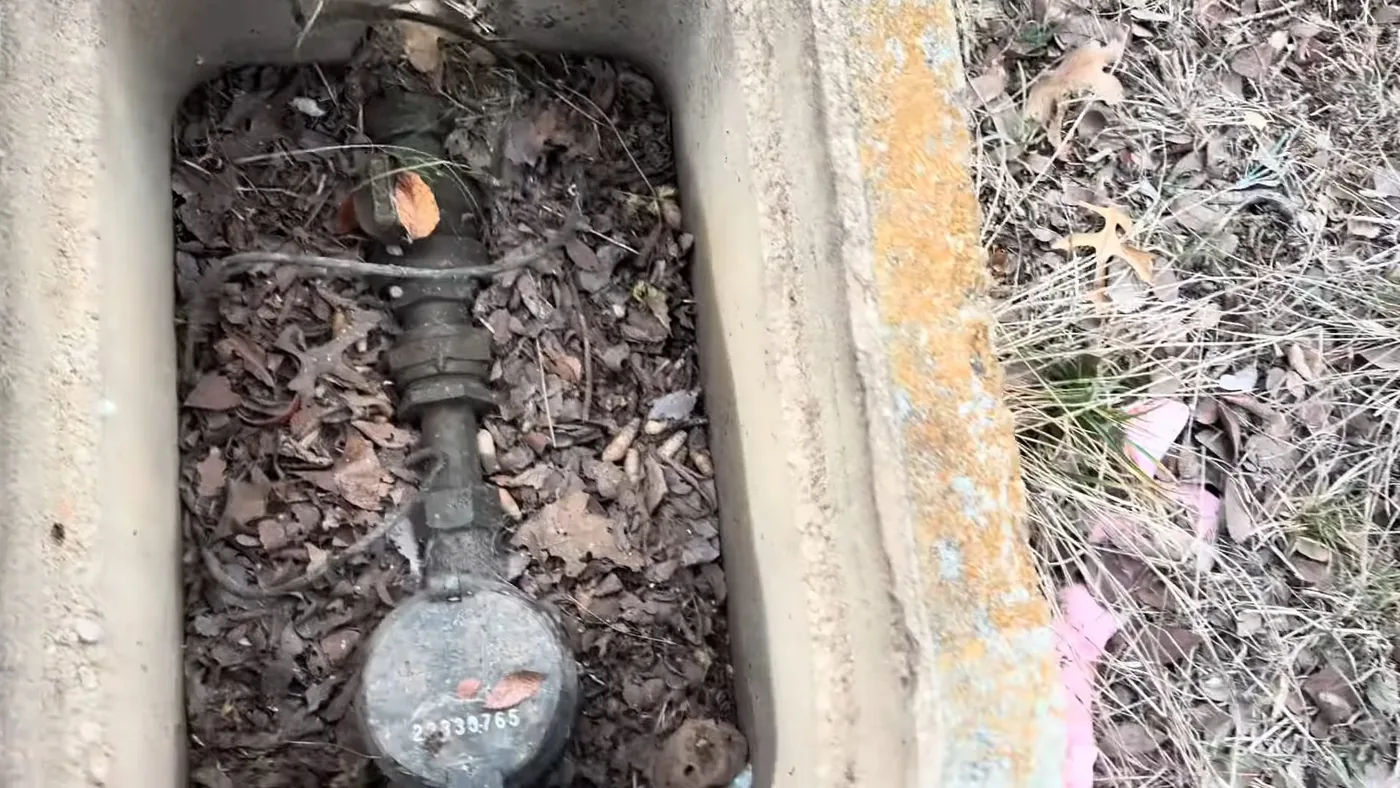
Before you call, you can run a simple test that tells the plumber a lot. Close every faucet and appliance, make sure no one flushes, then look at the meter. If the small dial or low-flow indicator keeps turning, water is leaving the house somewhere. If it stays still, the leak is probably intermittent, such as a toilet that refills now and then, or it is not on the pressurized supply at all.
| What you see | What it can point to | What to tell the plumber |
|---|---|---|
| Meter keeps moving with everything off | A leak on the supply line between the meter and the fixtures | How fast the dial turns and whether it changes at night |
| Meter still, but a toilet runs on its own | A worn flapper or fill valve, which wastes water without a hidden leak | Which toilet, and whether jiggling the handle stops it |
| Damp wall or ceiling, meter still | A drain, vent or roof source rather than a pressurized pipe | Whether it gets worse after rain or after showers |
| Bill jumped, nothing visible | A hidden or underground leak, or an irrigation fault | The size of the jump and the billing dates |
Water still moving at the meter with everything off? Call and a plumber will talk it through.
Call (626) 687-0217Emergency water leak repair in Arcadia: stop the water, then find the source
A leak that is actively running calls for two steps in order. Close the main shutoff to stop the damage, then call. Once the plumber has located the leak, the repair itself depends on where it sits and how much pipe is affected: a corroded section, a failed joint, a split fitting or a line damaged by digging. A short repair can be a same-visit job, while a long run of failing pipe leads to a repipe conversation, which is covered on the repiping.
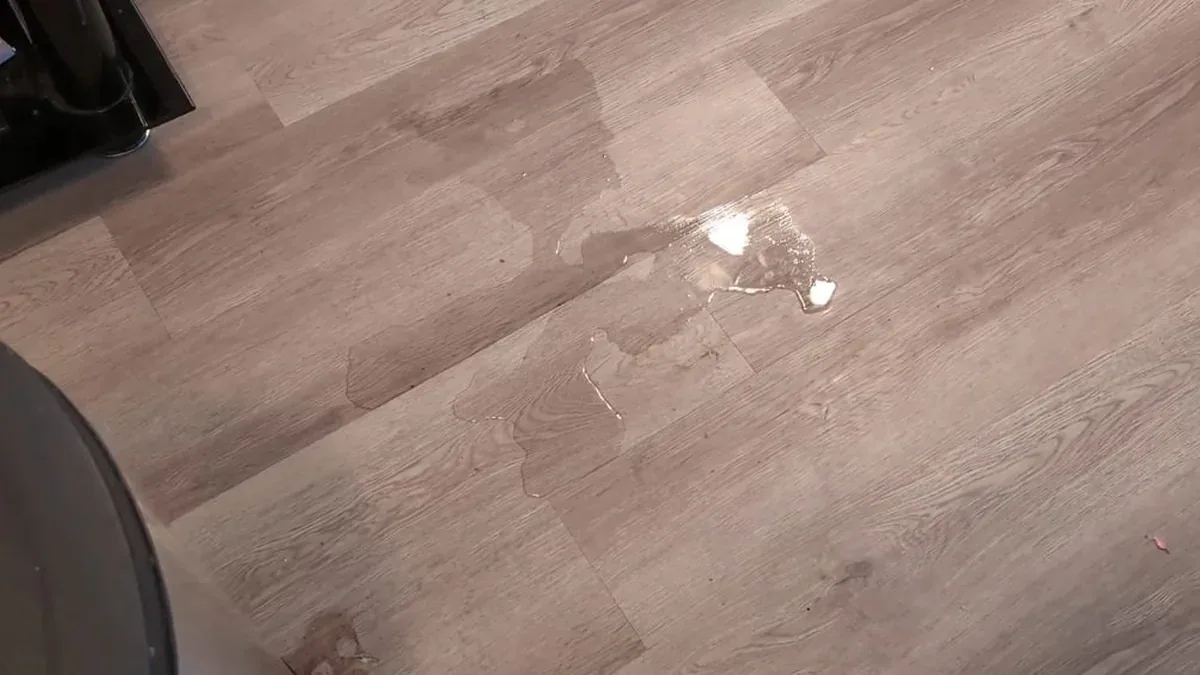
Leaks that have already soaked drywall, carpet or flooring need drying, not just a patched pipe. A Los Angeles County risk management bulletin puts the drying window for wet materials at 24 to 48 hours, for clean water only. If that window is closing, water damage response handles extraction and drying, and the plumber and the drying crew can work on the same property in sequence.
Same-day and after-hours availability is explained on the dispatch details, including what to tell the dispatcher so the call is routed correctly.
Signs of a hidden leak you can check today
- A water bill that rises with no change in how the household uses water.
- The sound of water moving in the walls when every fixture is off.
- Warm spots on a floor, or a hot water line that seems slow to deliver hot water.
- Musty smells, peeling paint or bubbling plaster along one wall.
- Wet patches in the yard, or lawn that stays green and soft in a strip while the rest dries out.
No single sign proves a leak, and several of them have harmless explanations, so treat the list as a reason to test rather than a diagnosis. A plumber confirms it with the meter and equipment, and a good report names where the water is going. Leaks you cannot see can also reduce pressure at fixtures, so a drop in pressure with no obvious cause is worth reporting to the dispatcher.
Hidden and underground leaks
The most expensive leaks are the ones nobody sees: a pinhole in a line inside a wall, a crack in the supply line under the yard, or a joint beneath a slab. Because the housing in Arcadia skews older (the median year built is 1965, with roughly 69% of units dating to 1979 or earlier, per Census ACS 2024), a plumber should check the age and condition of the pipe as well as the location of the leak. Ask the plumber to show you what the leaking section is made of.
Fixture leaks: toilets, faucets and showers
Not every leak needs equipment. A running toilet, a dripping faucet or a shower valve weeping inside the wall are all fixture leaks, and a plumber can usually find them by inspection. Fixing them early keeps the water bill honest, and the leaking faucet repair covers the parts involved. Appliance leaks, such as a washing machine hose, a dishwasher line or a refrigerator water line, are fixture leaks too, and appliance leak cleanup starts with stopping the water and drying the floor.
Inspecting the pipes before they fail
If you have had one leak, ask for an inspection of the accessible plumbing: shutoff valves, supply connectors, the water heater connections and any exposed pipe in a garage or crawlspace. A short inspection does not predict the next leak, but it shows which parts are corroded, which valves no longer close and where the next failure is most likely to appear. Catching small leaks early is cheaper than repairing the damage they cause once they are ignored: water that sits in a wall rots framing, lifts flooring and feeds mold.
Common leak locations
| Where | What usually leaks | How you notice |
|---|---|---|
| Under sinks | Supply connectors, drain slip joints, shutoff valves | Damp cabinet floor or a musty smell |
| Around the base of a toilet or water heater | Wax ring, supply fitting, tank connection | Water on the floor after use or overnight |
| Attic plumbing and ceilings | Supply lines, vent connections, a leaking appliance above | Brown stains that spread or a ceiling that sags |
| Outdoors | Hose bibs, irrigation lines, the service line to the house | Wet ground in dry weather or a strip of lush lawn |
| Inside walls and under floors | Pinholes in supply lines, failed joints | Rising bills, humming sounds, humidity that hides the source |
Methods a plumber may use to find a leak
- Electronic and acoustic listening equipment picks up the sound of escaping water along a line.
- Infrared or thermal imaging shows temperature differences from hot water leaking behind a surface.
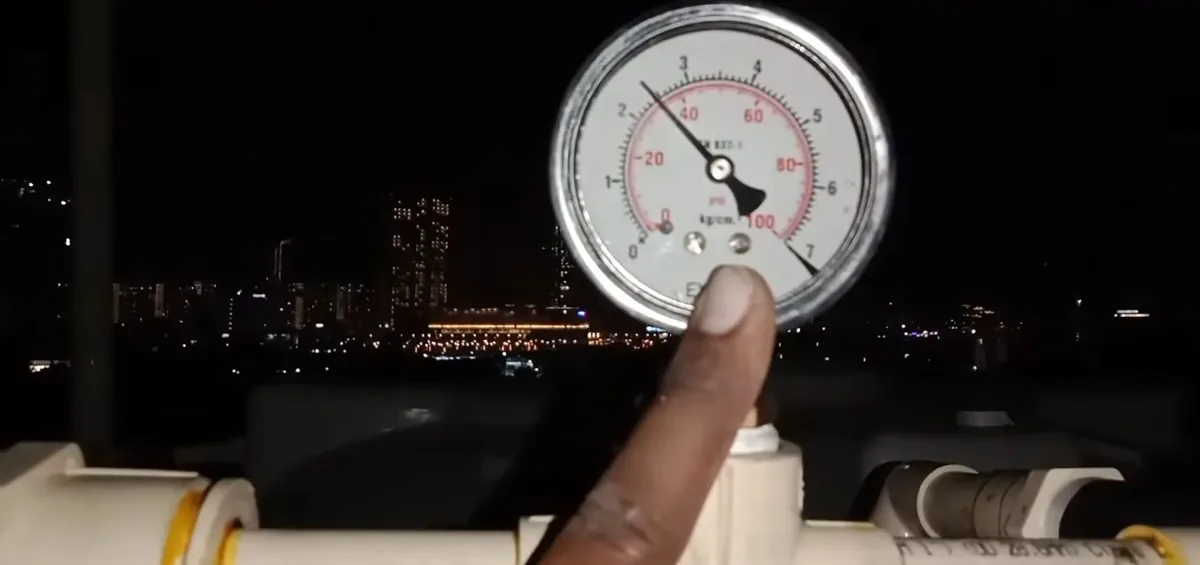
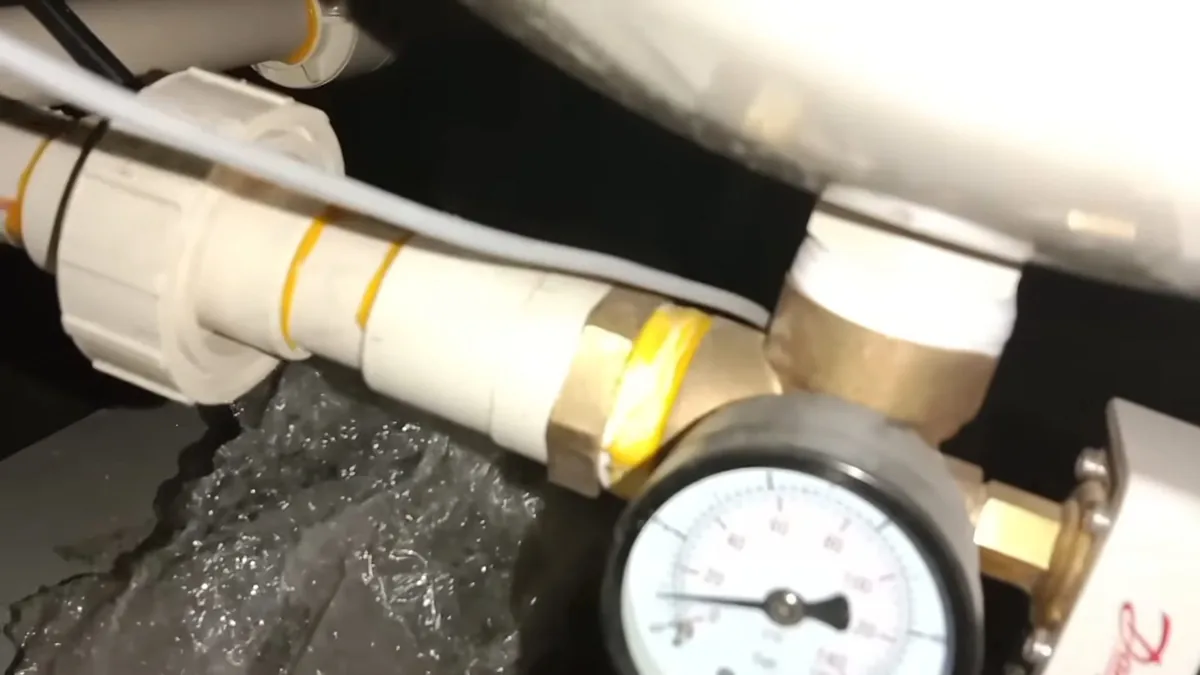
- Pressure testing, sometimes called hydrostatic testing, isolates one section of pipe and watches whether it holds.
Irrigation leaks are a separate case: a broken sprinkler line wastes water outdoors, and the City’s conservation page also limits watering days (it lists Tuesdays and Saturdays), so check the page for the current rule before you run a test cycle. Wall and ceiling leaks are the third case: leaky ceilings cause water stains well away from the source, and leaky pipes cause hidden damage behind them, so the plumber traces uphill from the stain. Banging pipes, a leak and a running toilet in one house are usually three separate faults, not one.
Also covered on this page: a high water bill traced to a meter reading, leaks under a house or in a crawlspace or basement, and pressure testing of a suspect line. Simple leak repairs in pipes, valves and fixtures are listed as exempt from a plumbing permit in the City’s Building Services FAQ; confirm with Building Services at (626) 574-5416 if your repair is larger.
Questions about leak detection and repair in Arcadia
How do I find a suspected pipe leak behind a garage wall?
Start by closing the main valve and watching the meter after every fixture is off. If the dial moves, the leak is on the supply side. A plumber can then trace the line with listening equipment and thermal imaging, which locates the leak before any drywall is cut. Photograph the wall first so you can show how it changed.
What should I do about a wall or ceiling leak?
Stop the water if you can, protect the room, and call. A stain is rarely directly under the leak, so the plumber follows it back to a supply line, a drain or a fixture above. Photograph the stain, mark its edge with a pencil, and note whether it grows after showers or after rain.
Can I dispute a leak diagnostic visit that did not find the leak?
Ask before the visit what the diagnostic covers, what it costs and what you receive afterward, such as a written finding. A visit that confirms the pipe is sound is still a result. If a charge surprises you, ask the plumber to explain it in writing and keep your photos and notes.
How do I check for a leak when my rental has high water use?
Run the meter test with every fixture off, then check each toilet by adding a few drops of food coloring to the tank and watching the bowl. Report what you find to your landlord or property manager in writing, since the owner usually decides on repairs. A plumber can document the leak for that report.