Commercial Plumber in Arcadia, CA: Keep the Building Running
A backed-up kitchen drain, a failed heater or a leak in a tenant space? Call, and a plumber diagnoses it with the building in use.
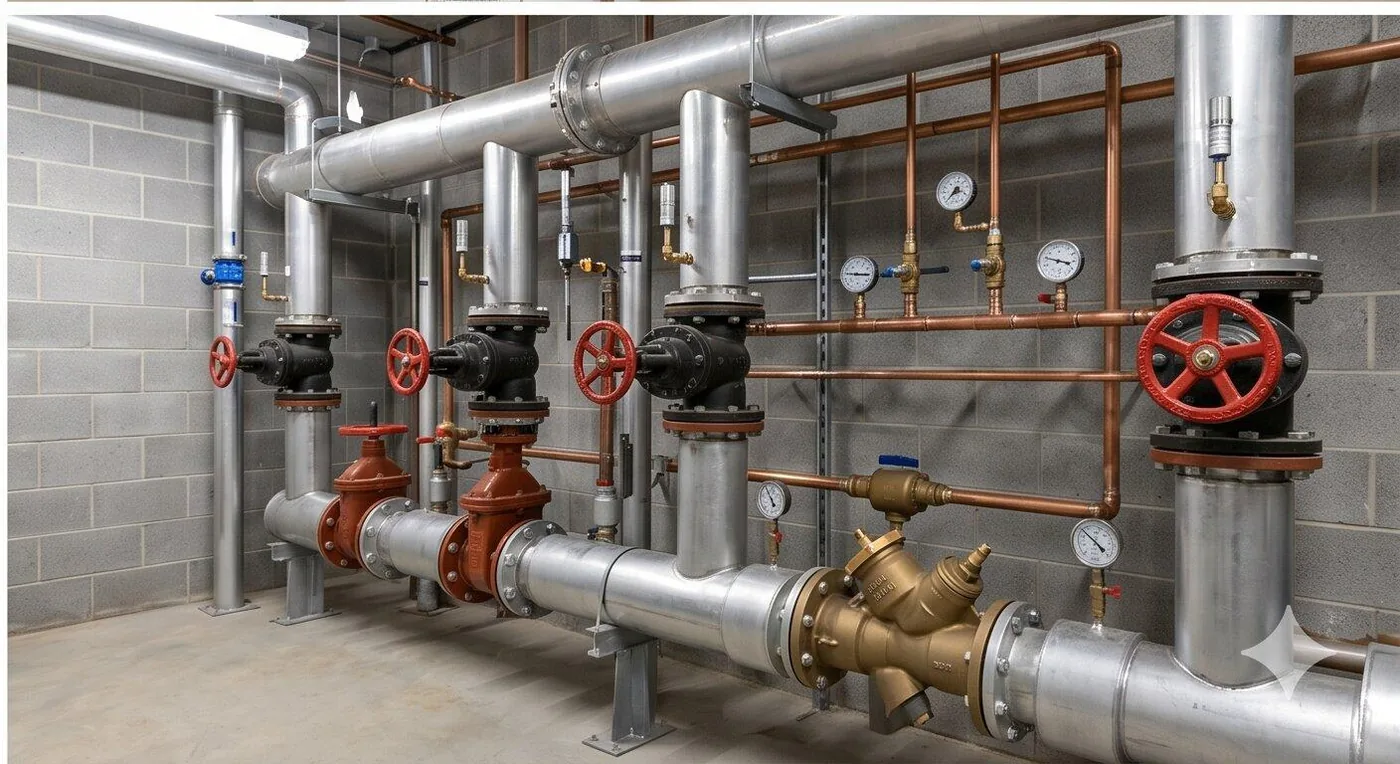
For a business, the first sign is rarely a leak. It is a restroom that backs up during the lunch rush, a kitchen floor drain that gurgles, a tenant who calls about no hot water or a water bill that jumps with no explanation. A plumbing failure in a shop, a restaurant or an apartment building stops the day’s work and can close the doors, so the useful question is how fast it is diagnosed and who owns the fix.
This page covers commercial plumbing in Arcadia: what a commercial call involves, how kitchens and grease traps are handled, why maintenance contracts matter and what changes for multifamily, light industrial and cold storage buildings. Residential work is on the other service pages, and many repairs here follow the same steps with larger pipes and tighter schedules.
Commercial plumber in Arcadia: what a business call involves
A commercial plumber starts by asking what the building does and what stopped. The answer decides the tools and the order of work. A blocked restroom line, a failed water heater and a leaking roof drain are different jobs, even if all three show up as one phone call. Describe the symptom, the building type, which fixtures are affected and whether the problem is on one floor or several.
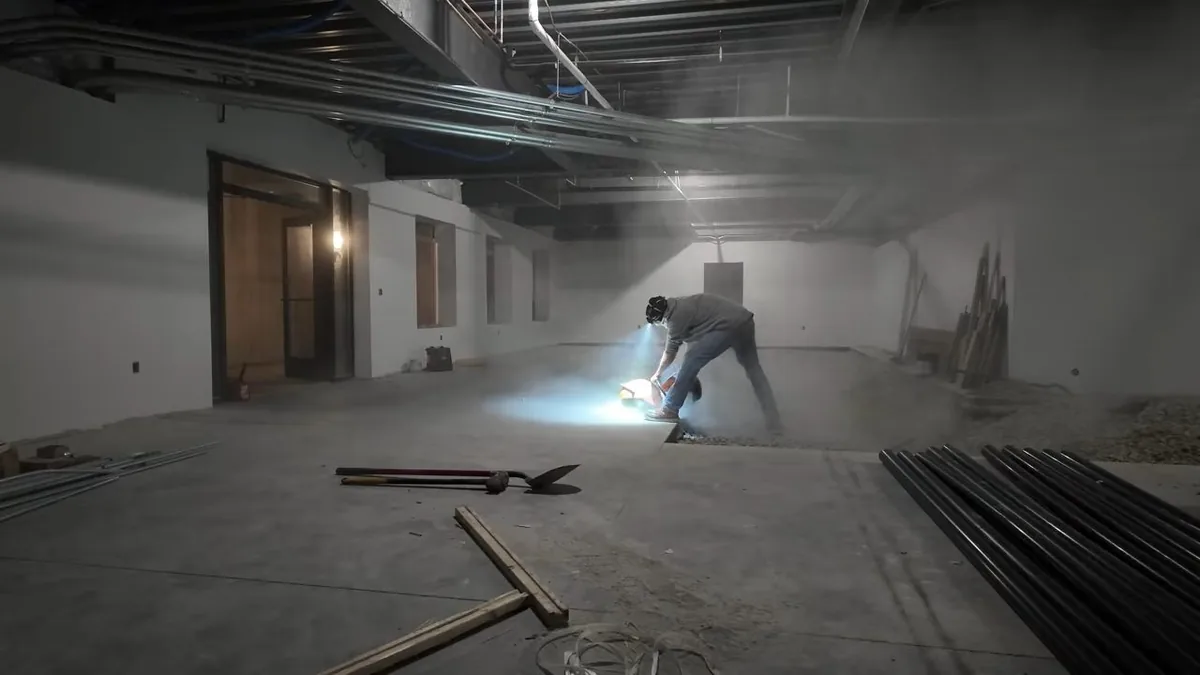
Commercial buildings often have more fixtures on one line and longer runs, so a clog can sit farther from the cleanout. The plumber checks which fixtures back up, runs a cable or a jetter from the nearest access point and uses a camera to find what is below. Drain cleaning and sewer line repair describe those methods, and they apply here with heavier equipment.
Hidden leaks cost businesses money quietly, in the water bill and in damage to ceilings, stock and finishes. A commercial leak detection call tests the lines with a meter check and then locates the leak with listening gear, as the leak detection explains. Burst pipes, slab leaks and sewer failures in commercial buildings follow the same repair logic as residential ones, on a larger scale.
Business plumbing problem? Call and tell us the building type and what stopped working.
Call (626) 687-0217Restaurant and commercial kitchen plumbing: grease traps and floor drains
A commercial kitchen puts more grease, food solids and hot water into its drains than any home. Grease cools and hardens in the line, so kitchens depend on a grease trap or interceptor that catches it before it enters the sewer. When the trap is full, drains slow, odors rise and the line backs up into the kitchen, usually on the busiest day.
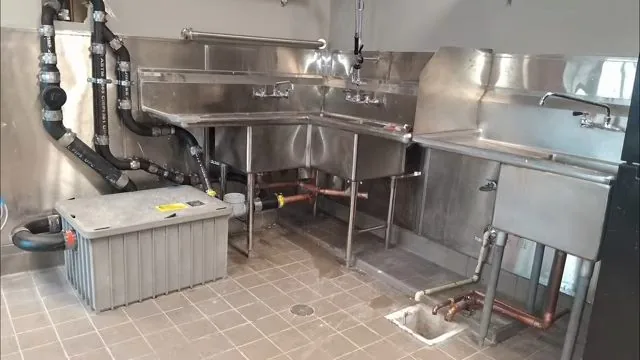
A plumber handles the lines around the trap: clearing and jetting the drain, checking the trap’s baffles and connections and finding the cause of repeated backups. Cleaning and hauling the contents of an interceptor is typically a separate service on a schedule. Ask the City what applies to your building before changing or replacing an interceptor, since the published material we found does not state a rule.
Floor drains, three-compartment sinks, dishwashers, prep sinks and hand sinks each have their own connections, and a restaurant plumber knows which backs up which. Commercial ice machines and beverage lines also need filtration, which is covered by water filtration and reverse osmosis work on the water softener. Ask for a reverse osmosis system sized to the machine, with cartridges you can reach.
Maintenance contracts: finding problems before the day they stop you
A maintenance contract is an agreed schedule of inspections and service for the plumbing in a building. It typically covers drain jetting, water heater flushing, checks of shutoff valves and pressure-reducing valves, grease trap service and a walk-through for leaks. The point is to find a failing part while it is a scheduled job and not an emergency at the worst hour.
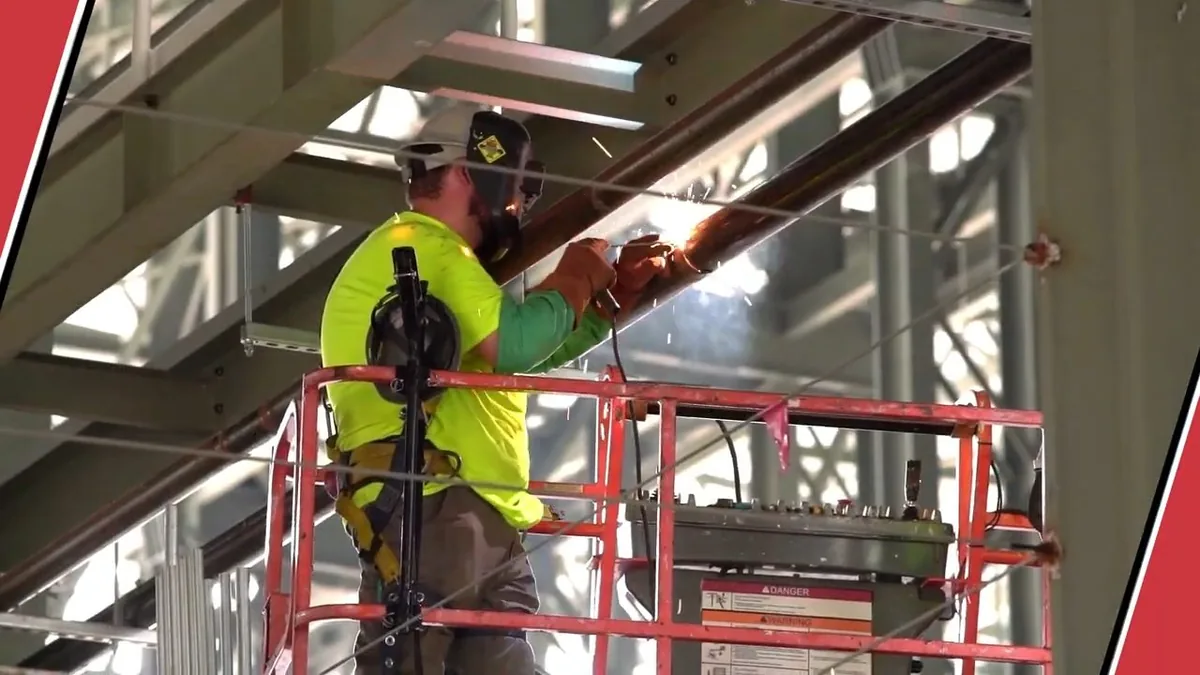
Ask what the contract includes, how often visits happen, what the response time is for a call outside the schedule and what is billed separately. A written scope prevents arguments later. For a building with several tenants, ask who the plumber contacts and who authorizes work, since a quick approval often decides how fast the repair happens.
Records matter. A log of past clogs, repairs and inspections shows patterns, such as the same drain backing up every few months. That log is what helps a plumber find the cause and lets an owner decide between repeat cleaning and a larger repair. Keep it with the building’s other maintenance files.
Water heaters, multifamily and light industrial buildings
Commercial water heater repair covers tank units, larger boilers and tankless banks, and a failure affects every tenant or station that depends on them. The plumber checks the fuel, the controls and the relief valve, and the water heater repair explains the faults that apply to smaller units too. The City lists Water Heater and Plumbing and Sewer Line categories among its permits, so confirm requirements with Building Services at (626) 574-5416.
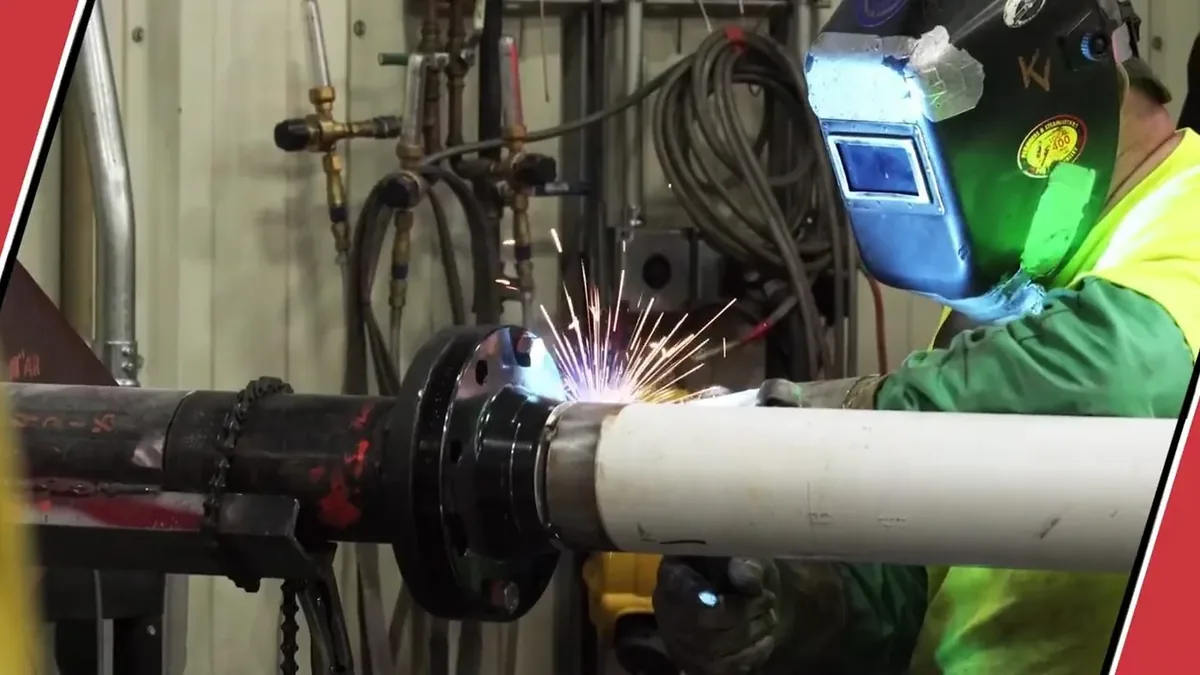
Apartment and multifamily buildings share risers, drains and water heaters among units, so one failure can reach several apartments. A leak in one unit may start in the unit above, and a backed-up stack can flood the lowest unit. Ask the plumber to identify which line is shared and which belongs to a single unit, and to give written findings you can pass to tenants or an insurer.
Light industrial and cold storage buildings add process water, floor drains, hose stations and refrigeration condensate to the usual plumbing. A leak in a cold room can freeze or wet stock, and a drain that backs up can halt a shift. The plumber needs to know what the building holds, what the process lines carry and where shutoffs are. Water that reaches finishes or stock is covered on the water damage cleanup.
Same-day and after-hours calls are explained on the main Arcadia page, and whoever is sent to your address can tell you what the visit will involve. Emergency calls follow the same dispatch line as other jobs, so give the address, the building type and what has stopped working.
Questions about commercial plumbing in Arcadia
What does a commercial plumber handle that a residential one does not?
Commercial plumbers work with larger pipe, more fixtures on one line, grease interceptors, commercial water heaters and multifamily risers, usually on a tighter schedule because the building is in use. Tell the dispatcher the building type and what stopped. Whoever is dispatched to the address can outline what the visit will cover.
Who is responsible for a grease trap?
The business that operates the kitchen usually has to keep the grease trap or interceptor serviced, and the building owner or lease may add terms. Ask the City what applies to your building. A plumber can clear the lines around the trap, while cleaning the interceptor itself is often a separate scheduled service.
Should a business have a plumbing maintenance contract?
It is worth considering for any building with a kitchen, several tenants or equipment that depends on water. A contract schedules drain jetting, water heater checks and inspections so problems are found early. Ask what it includes, how often visits occur and how quickly a call outside the schedule is answered.
Can a restaurant keep operating with a backed-up drain?
Usually not safely. A backed-up kitchen drain can spread wastewater onto the floor, create health hazards and stop food prep. Stop using the affected fixtures, keep the area clear and call. The plumber clears the line and finds the cause, and the owner decides whether to close until the area is cleaned.