Emergency Sewer Line Repair in Arcadia, CA: Learn Which Pipe Failed First
Sewage in a tub, a bubbling floor drain or a smell that will not go away? Call, and a plumber inspects the pipe and explains who is responsible.
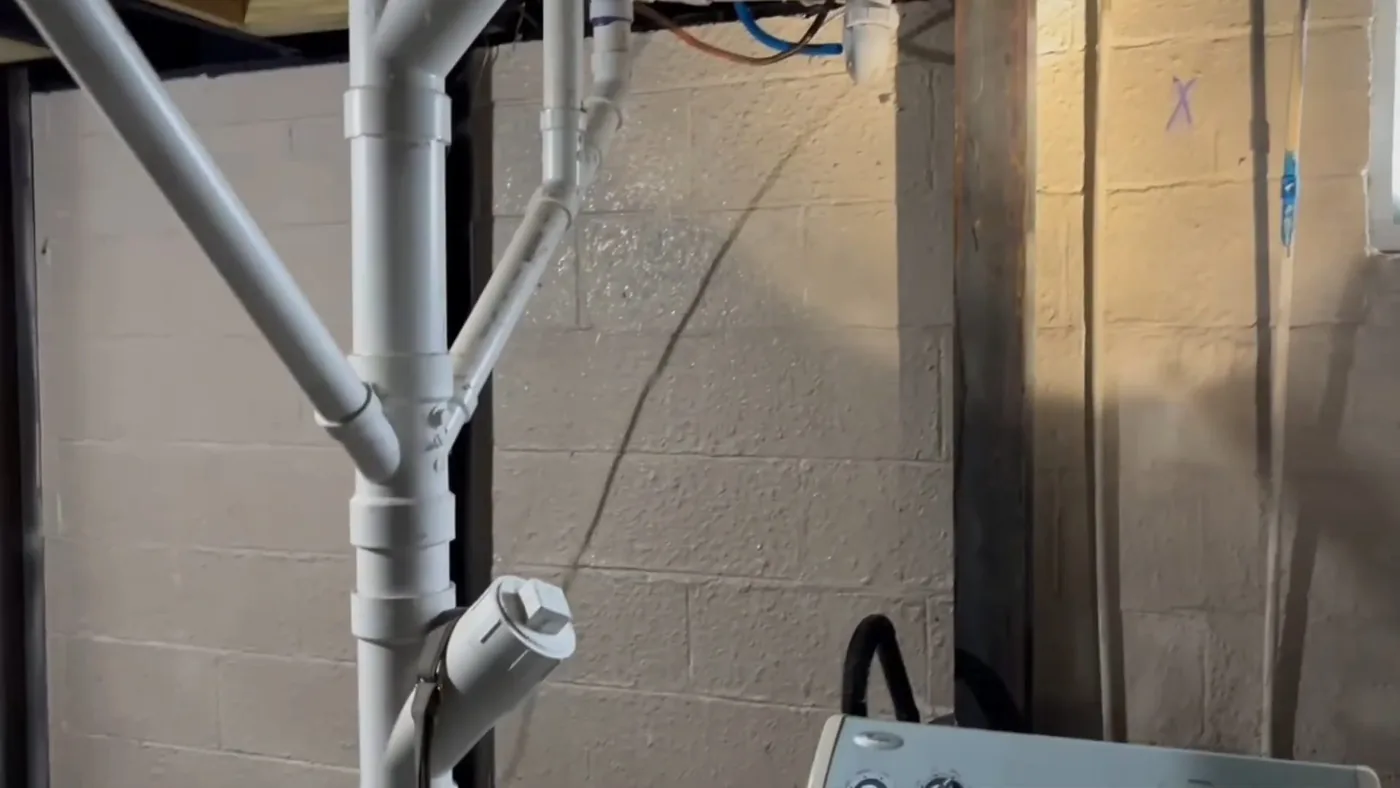
Water rising in a tub when the washing machine drains, a floor drain that bubbles, or a toilet that gurgles and will not clear: each of these usually means the pipe below the house is blocked or broken. The first minutes matter more than the diagnosis, so start with what to do and then work out what failed.
A sewer backup is a different call from a slow drain. If only one fixture is slow, drain cleaning is probably the answer. If several fixtures are affected at once, or the lowest drain in the house is filling, the main line is the suspect and the dispatcher will treat it as urgent. Tell the dispatcher which fixtures are affected, because the answer decides which equipment is sent.
Emergency and same-day handling is explained on the dispatch line overview. For a backup after hours, the City lists Arcadia Police Department Dispatch at (626) 574-5123 for emergencies such as a sewer backup that may involve the street main.
Trenchless sewer lining and pipe bursting: repair without trenching the yard
Trenchless methods repair a sewer line without opening the whole length. Pipe lining pulls a resin-coated liner into the existing pipe and cures it into a new pipe inside the old one. Pipe bursting pulls a new pipe through the old line, breaking the old pipe outward as it goes. Both need only an entry pit at each end instead of a trench along the full run.
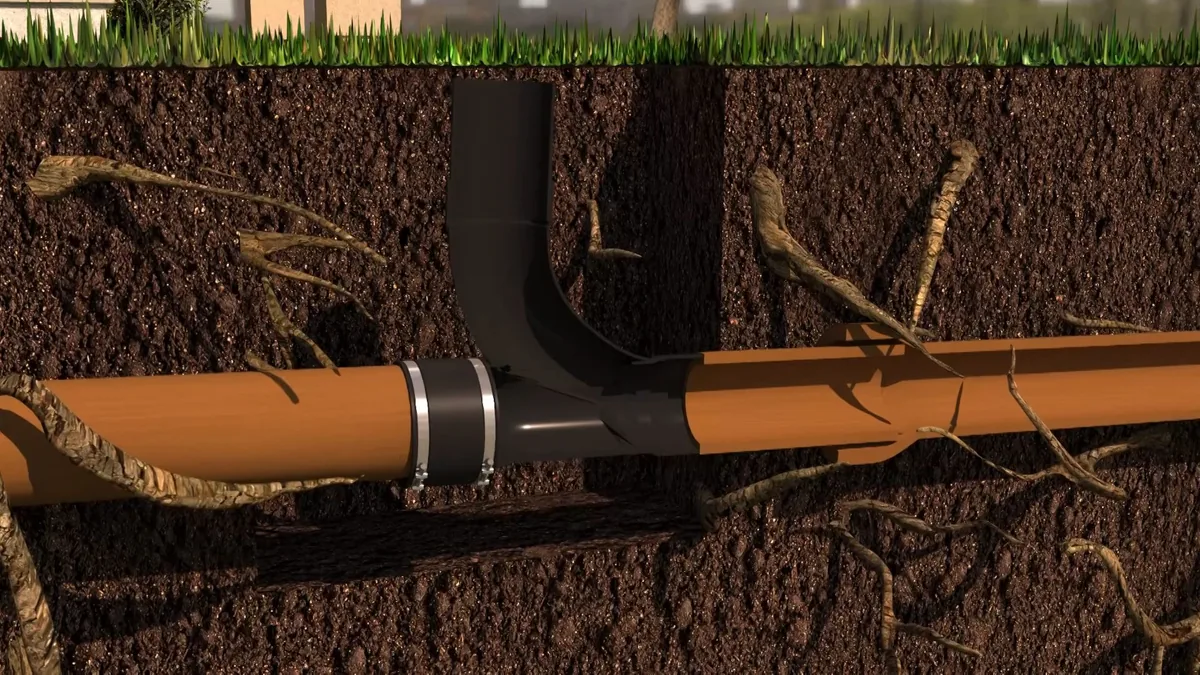
In trenchless versus open-trench repair, the trenchless route disturbs less of the yard, while an open trench lets the plumber see and replace the whole run and suits a pipe that is too damaged to line.
They are not always possible. Lining needs the old pipe to be reachable and in a shape a liner can follow, so a collapsed or badly offset section may rule it out. Find out what the camera showed, whether your pipe qualifies and what the plan is if the work uncovers something worse than expected. A City permit category exists for sewer line repair or replacement, ring Building Services at (626) 574-5416 to learn whether your job needs one.
Sewer pipe replacement in Arcadia: when repair is not enough
Replacement means a new pipe along the run, either in a trench or by bursting. It fits when a pipe has failed along much of its length, when a collapsed section cannot be lined or when the pipe has sagged so that it holds water. The plumber should explain how the failure was confirmed and why a repair of one section will not hold.
| Camera finding | Usual choice | Question to ask |
|---|---|---|
| A single crack or a short broken length | Repair of that length only | Its distance from the house and its depth |
| Roots at several joints | Cleaning plus lining, or replacing the run | Whether the roots can grow back after the work |
| A sagging stretch that holds water | Replace that stretch | Whether lining can correct a sag at all |
| A collapsed or crushed pipe | Replacement | Trench or trenchless method |
| Pipe failing along most of its length | Replace the run | What the new pipe is made of |
Sewage backing up or a drain that will not clear? Call now; backups are treated as urgent.
Call (626) 687-0217Can rooter service or hydro jetting clear a main sewer line?
Our sewage cleaning process runs in three steps: a cable or jet clears the blockage, a camera follows to see the pipe, and the plumber explains what the footage shows before suggesting anything more.
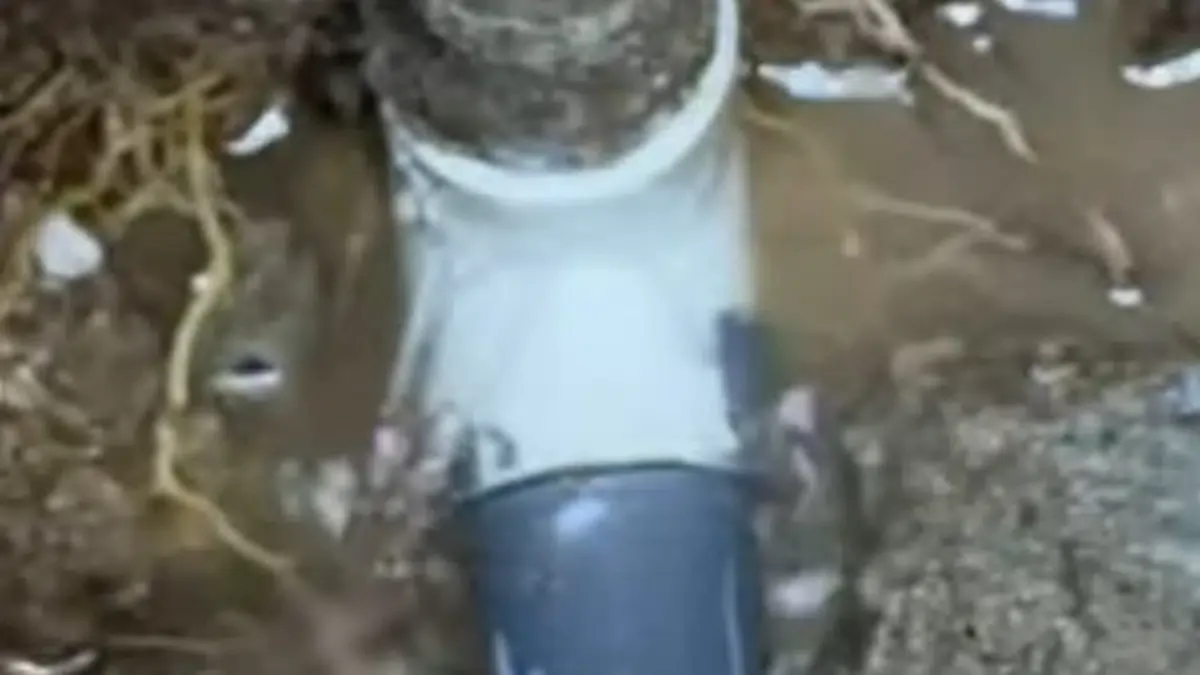
When the pipe wall is sound and only the flow is blocked, cleaning can be the whole repair. A rooter cable with a cutting head slices through roots and grease, and hydro jetting washes the pipe wall clean with pressurized water. Either should be followed by a camera pass, since a damaged pipe that has only been cleaned tends to block again within weeks or months.
The City’s General Plan environmental report noted that root intrusion and structural damage found on camera inspections of City sewer pipes called for relining or replacement. That is the City’s own pipe, not your lateral, but it shows why a camera finding matters more than a quick cleaning.
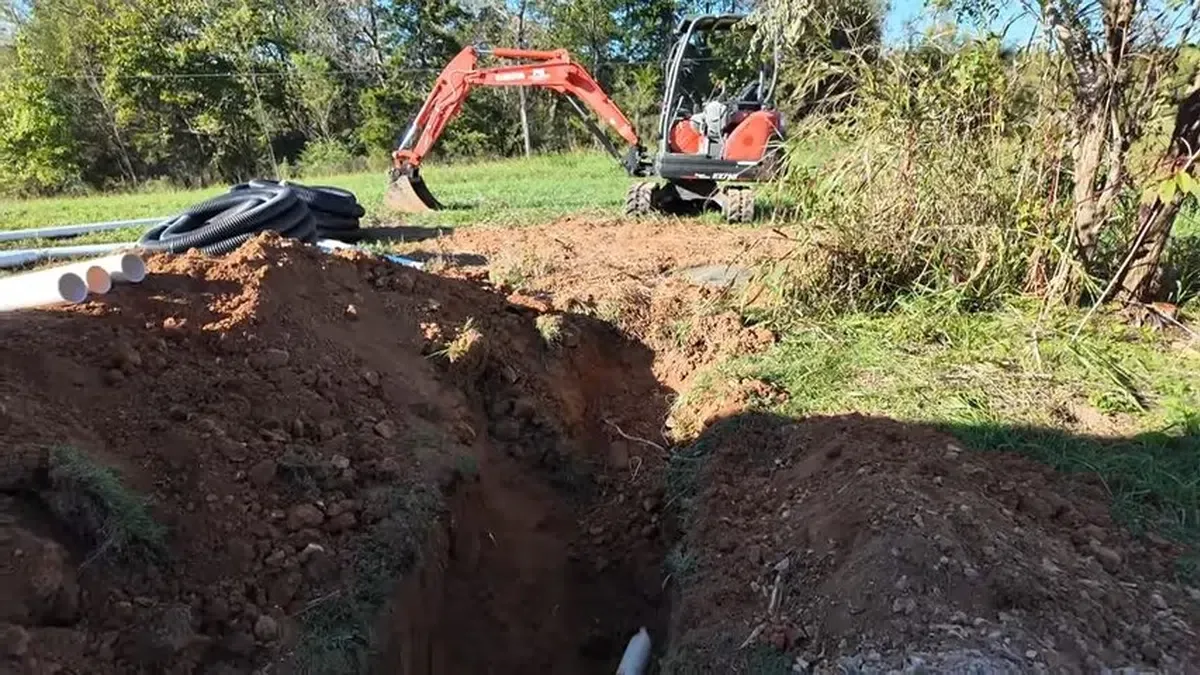
Roots are the usual reason a main line keeps coming back. They enter through small gaps at joints, grow into a mass that catches paper and grease, and return after a cable cuts them if the gap is still open. If the plumber finds roots, ask whether the entry point can be sealed or lined, not only whether the roots can be cut.
Sewer line repair in Arcadia: who owns which part of the line
A home sewer connection has three parts: the lateral from the house to the street, the local main in the street and the trunk line that carries flow to treatment. In the General Plan environmental report, local sewers are maintained by the City and the regional trunk lines by the Sanitation Districts of Los Angeles County. Who is responsible for which stretch of the lateral is for the City to say, so contact Public Works Services before any digging or repair work.
The County’s homeowner page for its own sewer maintenance district says owners there are responsible for the whole lateral, but that page does not apply to the City of Arcadia, so do not assume the same rule. Get the City’s answer first, then agree who pays before work begins.
Sewer camera inspection: what a scope shows and what to ask for
A sewer scope runs a small camera down the line on a flexible cable into the line through a cleanout or an opened fixture. It shows the pipe material, joints, roots, sags, cracks and any buildup, and it is how sewer leak detection is done when a line leaks without backing up, and it measures how far from the house each problem sits. A scope is also used to check a line before buying a house.
- Ask for the recording or photos, not just a verbal summary.
- Ask for the distance from the cleanout to each problem.
- Ask about the pipe material and how much of the wall is left.
- Ask whether the finding calls for cleaning, a spot repair or replacement, and why.
Cleanouts
A cleanout is the capped fitting on the sewer line that lets a plumber run a cable or camera without removing a toilet. If your house has none, ask whether one should be added, since it lowers the cost of every later visit.
Main sewer line repair: the order of decisions
A sound job runs in order: confirm the failure with a camera, decide between cleaning, spot repair, lining and replacement, confirm who is responsible for the section, check permit and utility marking, then agree the price on site. Skipping a step is how a small repair becomes an argument.
Before you dig: call 811 or submit a locate request at california811.org at least two business days before digging. Use hand tools only within 24 inches of the marks, and note that a locate ticket is valid for 28 days. Customer-owned lines past a utility meter need a private locator.
Sewer smell
A sewer smell in the house can come from a dry trap, a blocked vent, a cracked line or a backup that has not shown yet, so describe where it is strongest. A smell that comes and goes with water use is a good reason for a camera look.
Old pipe materials
Older sewer lines may be clay, cast iron or fiber conduit (sometimes called Orangeburg), and Census figures put the median year built for Arcadia homes at 1965 (ACS 2024, 5-year). No source names a material that is typical for the city, so rely on the camera to show what your line is made of.
If sewage reached floors or walls, drying and water removal covers extraction, drying and sanitizing, and sewage water is handled differently from clean water.
Questions about sewer line repair and replacement in Arcadia
Why does my house smell like sewage?
Common causes are a dry floor drain or fixture trap, a blocked vent, a cracked drain line or a backup that has not surfaced yet. Pour water into rarely used drains first. If the smell stays, call and say where it is strongest, since a camera inspection can find a broken or sagging pipe.
Should I get a sewer scope inspection?
It is worth asking for when drains clog repeatedly, when you are buying a house, or after a backup, because the camera shows the pipe condition before any digging. Ask for the footage and for the distance to each problem so the finding is usable.
What does main sewer cleaning involve?
The plumber opens a cleanout or a fixture, runs a cutting cable or a hydro jet through the line and then passes a camera to see why it blocked. A clean line with a damaged pipe will clog again, so ask for the camera result.
Is a sewer camera inspection worth it?
Usually, if the line has backed up more than once or the cause is unclear. The camera replaces guessing with a picture, which helps you decide between cleaning, repair and replacement. It is less useful on a line that has just been installed.
What if my rental has a main sewer line clog?
Tell the landlord or property manager in writing and keep dates and photos. Call a plumber if water is backing up, since sewage in the unit is urgent. Your lease and the owner decide who books and pays for the work.
Who do I call for a sewer backup?
Call our dispatch line to arrange a plumber. If several homes on the street are affected, the street main may be the cause, so also try City Public Works Services by day, or Police Department Dispatch on (626) 574-5123 overnight.